
Diffuse Axonal Injury Is One of the Most Severe Brain Injuries a Texas Crash Victim Can Suffer
Diffuse Axonal Injuries Can Turn A Crash Into A Lifetime Brain Injury Claim
Not all traumatic brain injuries are the same. While many people have heard of concussions, some crash victims suffer a far more serious type of brain trauma known as a diffuse axonal injury, or DAI.
Diffuse axonal injuries often happen after high-speed car accidents, truck crashes, motorcycle collisions, pedestrian impacts, and other violent events that cause the brain to move rapidly inside the skull. These injuries can leave victims with permanent disabilities, cognitive problems, coma, or even fatal complications.
For crash victims and their families, understanding the seriousness of a diffuse axonal injury matters because the effects can last for years or for the rest of a person’s life. At Weinstein Law, we understand how much is at stake when a crash causes severe brain trauma, and with a dedicated Brain Trauma Specialist on our staff, we know how to build claims that account for the full impact of the injury.
What Is A Diffuse Axonal Injury?
A diffuse axonal injury happens when rapid acceleration, deceleration, or rotational forces stretch and damage the brain’s axons, the nerve fibers that help different parts of the brain communicate. The National Library of Medicine’s NCBI Bookshelf describes DAI as a severe traumatic brain injury subtype involving widespread white matter disruption caused by rapid acceleration-deceleration forces.
During a violent collision, the brain can shift inside the skull while different tissues move at different speeds. That motion can stretch, tear, or disconnect nerve fibers across multiple areas of the brain. Unlike some brain injuries that affect one specific location, a diffuse axonal injury can damage many regions at the same time.
That widespread damage can interfere with consciousness, memory, attention, movement, communication, mood, and decision-making. It can also be difficult to fully see at first because some DAI damage happens at a microscopic level.
Diffuse axonal injuries are commonly associated with:
- Car Accidents: A high-speed crash can whip the head and brain forward, backward, or sideways with enough force to damage axons.
- Truck Accidents: The force of an 18-wheeler or commercial truck crash can cause severe head trauma, even when there is no penetrating injury.
- Motorcycle Crashes: Riders can suffer violent impacts, ejections, and rotational forces that cause serious brain trauma.
- Pedestrian Accidents: A pedestrian struck by a vehicle may hit the hood, windshield, pavement, or another object with life-changing force.
- Falls Involving Significant Force: A hard fall can cause the brain to move inside the skull and lead to serious head trauma.
Why Are Diffuse Axonal Injuries So Serious?
Diffuse axonal injuries are serious because they affect the brain on a widespread level. In many cases, victims lose consciousness immediately after the crash. Some remain in a coma for days, weeks, or longer.
NCBI Bookshelf notes that DAI can range from mild neurological dysfunction to a comatose state, and that most patients identified with DAI have severe traumatic brain injuries. The same source explains that high-speed vehicle collisions, falls from height, and rapid deceleration events can create the forces that cause these injuries.
Even when a person survives, a DAI can leave lasting impairments involving:
- Memory: Victims may struggle to remember new information, recall conversations, or manage daily responsibilities.
- Attention and Concentration: Tasks that once felt simple can become exhausting or impossible to complete.
- Speech and Communication: A brain injury can affect word-finding, processing speed, and the ability to follow conversations.
- Balance and Coordination: Victims may have trouble walking, driving, working, or moving safely without help.
- Emotional Regulation: Mood swings, irritability, depression, anxiety, and personality changes can strain every part of daily life.
- Decision-Making: Severe brain trauma can affect judgment, planning, impulse control, and independence.
These challenges often prevent victims from returning to work, living independently, or resuming the life they had before the crash.
What Symptoms Can Point To A Diffuse Axonal Injury?
Symptoms depend on the severity of the injury and the areas of the brain affected. Some symptoms appear right away. Others become clearer only after the person stabilizes, leaves the hospital, or tries to return to normal activities.
Possible symptoms include:
- Loss of consciousness
- Coma or prolonged unconsciousness
- Persistent headaches
- Dizziness or balance problems
- Nausea or vomiting
- Confusion
- Difficulty concentrating
- Memory problems
- Sleep disturbances
- Personality changes
- Vision problems
- Speech or communication difficulties
MedlinePlus, a service of the National Library of Medicine, warns that traumatic brain injury symptoms can include headache, confusion, dizziness, vision problems, nausea, vomiting, sleep changes, memory problems, and changes in mood or behavior. After any crash involving head trauma, a medical evaluation is important, even if the victim initially seems awake or responsive.
Some brain injury symptoms overlap with concussion symptoms, but a DAI can be far more severe. If someone is dealing with memory loss or cognitive issues after a crash, that should be taken seriously and documented carefully.
How Are Diffuse Axonal Injuries Diagnosed?
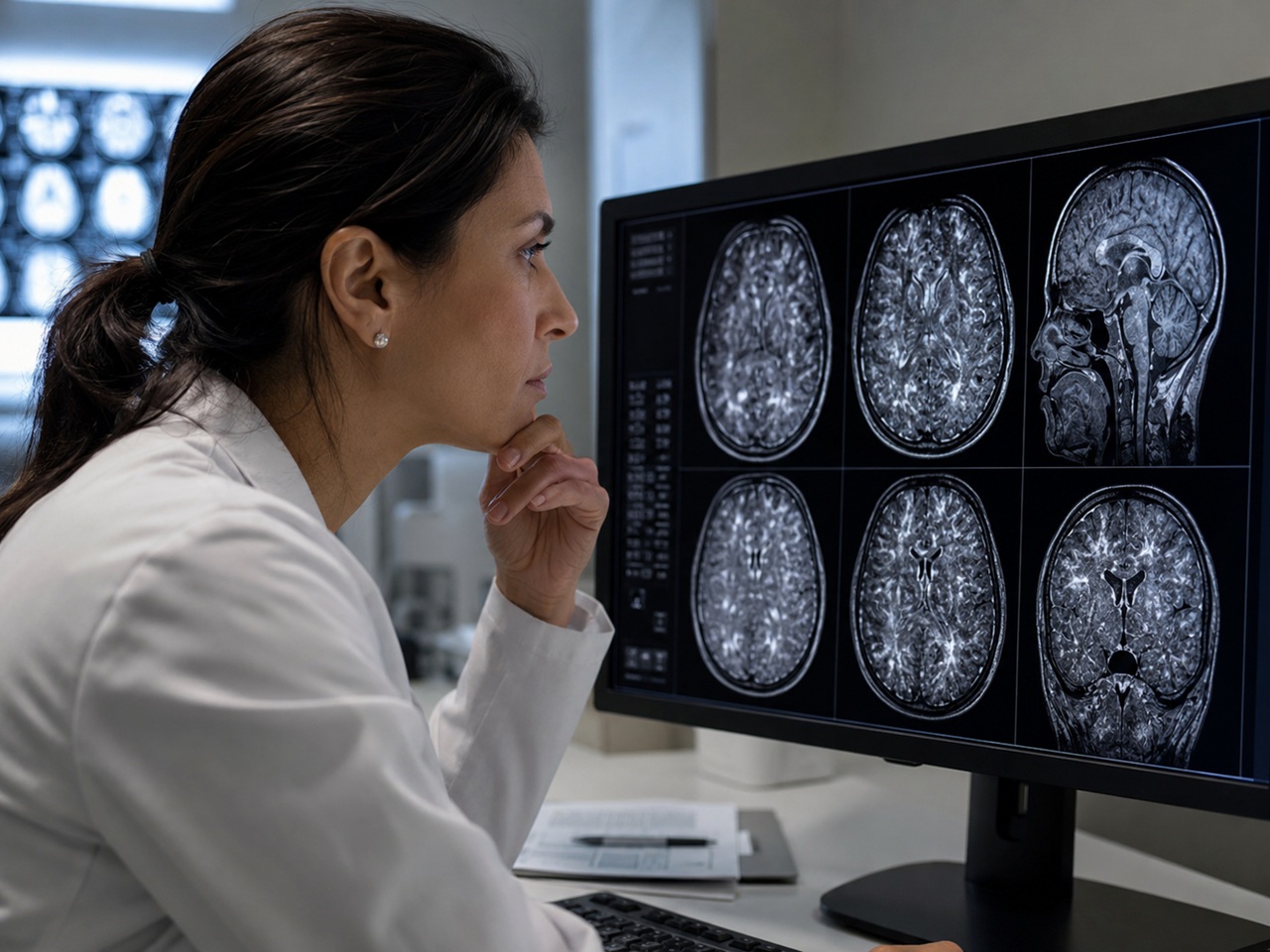
Diffuse axonal injuries can be difficult to diagnose because the damage may be microscopic or spread across multiple areas of the brain. A CT scan may be used first after a crash, especially in an emergency, but it may not show the full extent of axonal injury.
NCBI Bookshelf explains that CT scans have limited sensitivity for nonhemorrhagic and small axonal lesions. MRI can be more useful for detecting and characterizing DAI, especially when advanced MRI sequences are used to identify small hemorrhagic spots or white matter disruption.
Diagnosis may involve:
- Emergency Evaluation: Doctors assess consciousness, breathing, pupil response, neurological function, and other urgent concerns.
- CT Imaging: CT scans can identify bleeding, swelling, fractures, and other acute trauma, even if they do not show every axonal injury.
- MRI Imaging: MRI can help detect smaller or deeper brain injuries that may not appear clearly on CT.
- Neurological Testing: Doctors may evaluate memory, speech, movement, reflexes, coordination, and cognitive function.
- Ongoing Monitoring: Some deficits become clearer over time as the person tries to speak, move, work, remember, or live independently.
That is one reason serious crash victims should not let an insurance company treat an early scan as the final word. Brain injury cases often require careful follow-up and documentation.
What Long-Term Effects Can A DAI Cause?
For many victims, recovery from a diffuse axonal injury is long, uncertain, and deeply personal. Some people regain portions of their abilities over time. Others need lifelong assistance with daily activities.
Treatment may involve:
- Emergency medical care
- Hospitalization
- Neurological treatment
- Physical therapy
- Occupational therapy
- Speech therapy
- Cognitive rehabilitation
- Psychological support
- Long-term medical monitoring
The financial impact can be overwhelming, especially when the victim cannot work or needs long-term care. Some cases also involve brain surgery or severe head injury treatment after a crash, depending on bleeding, swelling, pressure, or other complications.
A full claim should look beyond today’s medical bills. It should account for future care, lost earning capacity, home modifications, therapy, assistive devices, caregiving needs, and the ways in which the injury affects the victim’s independence.
Why Do Brain Injury Claims Require Careful Handling?
Brain injury cases can be among the most difficult personal injury claims because the damage is not always visible. A person may look physically better while still struggling with memory, judgment, fatigue, emotion, or communication. Insurance companies may use that gap to argue the injury is not as serious as the family knows it is.
Building a strong DAI claim may require:
- Detailed Medical Records: Hospital records, imaging results, specialist notes, therapy records, and follow-up reports help prove the injury and its effects.
- Neurological Evaluations: Testing can document cognitive, physical, behavioral, and functional limitations.
- Life-Care Planning: A long-term care plan can identify future needs for treatment, therapy, equipment, home assistance, and support.
- Employment and Income Records: These records help show how the injury affects the victim’s ability to work and earn a living.
- Family and Caregiver Statements: Loved ones often see changes in memory, mood, personality, independence, and daily functioning that medical records alone may not fully capture.
- Crash Evidence: Photos, witness statements, vehicle damage, event data, reconstruction reports, and police records help connect the brain injury to the force of the collision.
Filing a personal injury claim after a head injury often involves medical care, evidence, reporting, insurance claims, and legal help. Insurance companies may try to minimize the seriousness of a traumatic brain injury or offer a settlement that does not come close to covering the full damage, which is why having a brain injury attorney in your corner can make a dramatic difference in the outcome of your case.
How Do Insurance Companies Undervalue DAI Claims?
Insurance companies may accept that a crash happened but dispute the extent of the brain injury. They may argue that symptoms are unrelated, exaggerated, temporary, or caused by something else. They may also focus on imaging that does not show the full extent of the injury, especially when axonal damage is hard to see at first.
They may also push for a quick settlement before the long-term picture is clear. That is dangerous in a DAI case because the victim’s future may include years of therapy, lost income, cognitive limitations, caregiving costs, and medical complications.
Understanding how insurance companies handle car accident claims in Texas can help families see why early offers are often not enough. Once a settlement is accepted, the victim may be unable to seek additional compensation later, even if the injury proves worse than expected.
A Brain Trauma Specialist Gives Weinstein Law A Different Kind Of Advantage
Brain injury cases are not ordinary personal injury claims. They require more than a basic review of medical records or a general understanding of crash trauma. Diffuse axonal injuries, memory problems, cognitive changes, and long-term neurological symptoms can be difficult to identify, document, and explain, especially when insurance companies try to minimize injuries they cannot easily see.
 That's one reason Weinstein Law is different. Our team includes Dr. Diana Kerwin, a dedicated Brain Trauma Specialist who works with our firm on personal injury cases involving brain trauma-related injuries. Dr. Kerwin brings more than two decades of experience in memory disorder research, along with board certifications in Internal Medicine and Geriatrics and active medical licenses in Texas, California, and Wisconsin.
Her background gives our firm insight that most personal injury law firms simply don't have in-house. Before establishing her Dallas-based memory care center, Dr. Kerwin served as an Assistant Professor of Medicine in the Division of Geriatrics at Northwestern University in Chicago and was a faculty member at the Northwestern University Cognitive Neurology and Alzheimer’s Disease Center. She has also held an adjunct faculty position in Neurology and Neuro-Therapeutics at UT Southwestern Medical Center.
Dr. Kerwin’s work has included NIH-funded research, clinical trials involving neurodegenerative disorders, and leadership roles with the Alzheimer’s Association, including service on the National Board of Directors and as Chair of the Dallas Chapter Board. That depth of medical knowledge matters when a crash victim is dealing with memory loss, cognitive decline, personality changes, or functional limitations after a traumatic brain injury.
For our clients, this means we can look more closely at what a brain injury has actually done to someone’s life. Dr. Kerwin’s insight can help identify the long-term effects of brain trauma, connect symptoms to the injury, and strengthen the evidence needed to show an insurance company, judge, or jury why the case cannot be treated like a routine accident claim.
When a diffuse axonal injury changes the way someone thinks, remembers, works, communicates, or lives day-to-day, the legal case has to reflect that full reality. Weinstein Law combines Jeff Weinstein’s nearly 40 years of experience fighting for injured Texans with medical insight from a brain trauma specialist who understands how deeply these injuries can affect victims and families.
When The Stakes Are High, Jeff Demands Justice
A diffuse axonal injury can change a person’s life in an instant. What starts as a serious crash can become a lifetime of medical treatment, rehabilitation, lost independence, and uncertainty about the future. These injuries affect victims and the families who support them through recovery.
At Weinstein Law, we understand the unique challenges traumatic brain injury victims face because brain injury cases are a major focus of our practice. Our team includes a dedicated Brain Trauma Specialist who works closely with Jeff to identify the full impact of a brain injury, connect clients with appropriate medical care, and build strong claims for maximum compensation.
If you or a loved one suffered a diffuse axonal injury in Texas, do not leave your future in the hands of the insurance company. Jeff Weinstein has spent nearly 40 years fighting for injury victims across Athens, Dallas, Henderson County, Kaufman, and East Texas. One Call, Jeff Handles It All. Contact us today for a free consultation.
"The best lawyer in all of East Texas, not only does he fight for you, but he also goes out of his way to help those of our community!" - Amanda M., ⭐⭐⭐⭐⭐