
When Nursing Homes Fail, Families Pay The Price
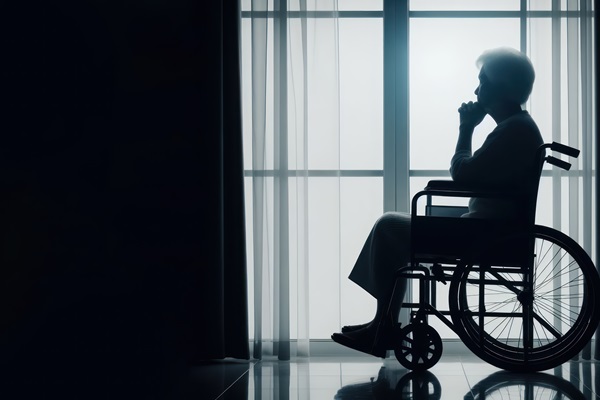
What Dallas Facility Allegations Reveal About Nursing Home Neglect And Accountability
A nursing home should feel like a place of safety, not suspicion. Families make one of the hardest decisions of their lives when they trust a facility with the care of someone they love. That trust is built on the belief that residents will be protected, treated with dignity, and kept out of harm’s way. When that promise is broken, the emotional damage can be as severe as the physical harm that follows.
Recent lawsuits in Dallas alleging multiple murders inside a senior care facility have shaken families across Texas. While the legal process will determine what happened and who may be responsible, these allegations highlight a deeper concern that families can't afford to ignore. Nursing homes are responsible not just for comfort and routine care, but for preventing harm and identifying warning signs before tragedy occurs.
For families who have questions about a loved one’s safety, these cases serve as a painful reminder that accountability matters.
What Families Expect Versus What Can Go Wrong
Most families expect that once a loved one enters a nursing home, trained professionals will monitor health, provide supervision, and step in when something seems wrong. Nursing homes are entrusted with daily care, medication management, and the responsibility to notice changes in condition or behavior.
When a facility fails in those duties, residents can be placed in dangerous situations without families knowing until the damage has already occurred. Poor supervision, overlooked warning signs, unsafe conditions, and inadequate staffing can create an environment where serious harm becomes possible.
Families often assume that someone is watching closely. In reality, breakdowns in care can go unnoticed for far too long.
How Nursing Home Failures Can Lead To Legal Claims
When a nursing home doesn't provide the level of care it promised, families may have legal options. These claims are not about punishment for the sake of punishment. They're about accountability, transparency, and protecting other residents from similar harm.
Depending on the circumstances, families may be able to pursue claims that focus on:
- Negligence, when a facility fails to provide reasonable care that a resident needs to remain safe.
- Wrongful death, when a loved one loses their life because of a nursing home’s actions or inaction.
- Premises liability, when unsafe conditions inside the facility contribute to injury or death.
- Negligent hiring or supervision, when a nursing home employs staff who place residents in danger or fails to properly monitor those employees.
- Breach of contract, when a facility does not deliver the level of care it promised in its agreements.
- Fraud or concealment, when incidents are hidden or suspicious deaths are not properly reported.
Each of these claims centers on the same issue: whether the facility failed to protect the people placed in its care.
Why These Cases Are About More Than Compensation
Families affected by nursing home neglect often describe the experience as feeling blindsided. They trusted a facility to provide safety, and instead, they are left with unanswered questions and lasting grief. Legal action becomes a way to demand answers and push for changes that may prevent future harm.
These cases can also bring attention to patterns that may otherwise stay hidden. They force facilities to examine staffing, training, and oversight practices that may put residents at risk.
For many families, accountability is just as important as financial recovery.
What Can Families Do If They Suspect Nursing Home Neglect Or Abuse?
If something doesn't feel right, you should trust that instinct. Changes in a loved one’s behavior, unexplained injuries, sudden health declines, or vague explanations from staff can be warning signs that deserve attention.
Families can take steps that may help protect their loved ones and preserve important information, such as:
- Document concerns and changes in condition.
- Ask direct questions about care, staffing, and supervision.
- Request copies of care plans and incident reports.
- Report serious concerns to the appropriate authorities.
- Speak with a lawyer who handles nursing home neglect cases to understand available options.
Taking action early can help prevent further harm and clarify what happened.
Holding Facilities Accountable Can Protect Other Residents
Nursing homes care for some of the most vulnerable people in our communities. When a facility fails, the consequences can reach far beyond one family. Legal claims can uncover unsafe practices and push for changes that may protect other residents who cannot speak for themselves.
Accountability sends a message that safety is not optional. It is a responsibility.
How Weinstein Law Helps Families Seek Answers
At Weinstein Law, our team understands how overwhelming it can feel to question a nursing home’s actions. Families deserve clear answers, compassionate guidance, and a legal path forward that respects what they have been through.
If you believe a nursing home may have failed to protect your loved one, you don't have to face that uncertainty alone. To learn more about your legal options, contact us today for a confidential consultation. We can help you understand what steps may be available to you and your family.
"I highly recommend Weinstein Law! They are the go-to office of the community. You will be taken care of the minute you get in contact with them. They are a very knowledgeable team, and if they can't help you, they take the time to direct you in the right way! Everyone is super friendly and helpful - call Jeff Weinstein!" - Jasmine, ⭐⭐⭐⭐⭐